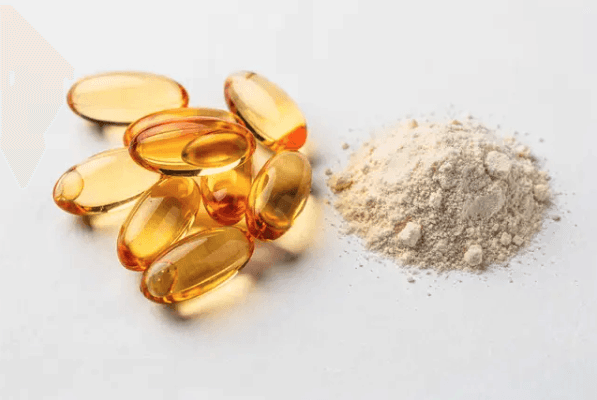
What's the Difference Between Fat vs Water Soluble Vitamins?
Two vitamins can both be essential for your health and yet behave completely differently once they enter your body. That difference comes down to one thing: solubility. Vitamins are grouped by whether they dissolve in water or fat, and that single characteristic shapes how your body absorbs them, stores them, and uses them.
Understanding fat vs water soluble vitamins matters for more than biology class. It affects how often you need to eat certain foods, how you should approach supplementation, what happens when you take too much of something, and how your digestive health influences whether you actually benefit from what you consume. This article covers the key differences, which vitamins belong in each category, how absorption works, and how diet affects vitamin utilization.
Fat vs Water Soluble Vitamins: The Simple Difference
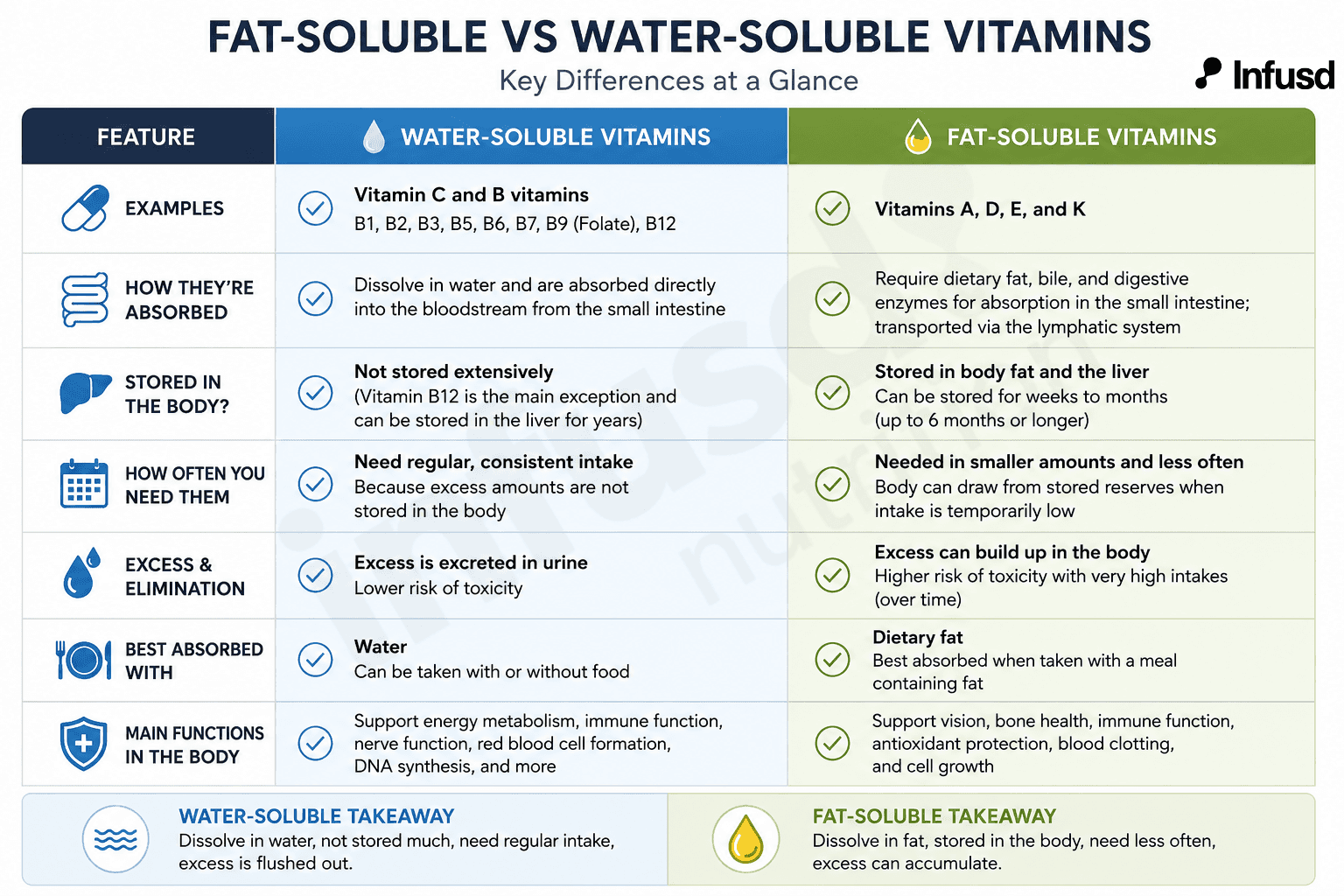
Water-soluble vitamins dissolve in water. Fat-soluble vitamins dissolve in fat. Water-soluble vitamins are not stored in large amounts and excess is generally removed through urine, so you need consistent intake from food. Fat-soluble vitamins are absorbed alongside dietary fats and can be stored in body fat and the liver, sometimes for months. This affects how often you need them and how carefully you should supplement.
Quick Comparison in Plain English
How they're absorbed: Water-soluble vitamins dissolve into watery digestive fluids and pass directly into the bloodstream. Fat-soluble vitamins need dietary fat, bile, and digestive enzymes to be absorbed properly.
Storage: Water-soluble vitamins are not stored extensively (with vitamin B12 being a notable exception). Fat-soluble vitamins are stored in body fat and the liver.
Examples: Water-soluble: vitamin C and all eight B vitamins. Fat-soluble: vitamins A, D, E, and K.
How often you need them: Water-soluble vitamins generally need more regular intake. Fat-soluble vitamins can be drawn from body stores when dietary intake is low.
Toxicity risk: Water-soluble vitamins carry lower toxicity risk because excess is excreted. Fat-soluble vitamins can accumulate, so high-dose supplementation carries more risk.
What Are Water-Soluble Vitamins?
Water-soluble vitamins dissolve in water and are absorbed relatively quickly into the bloodstream from the small intestine. They circulate through the body's water-based fluids and are not stored in significant amounts. Your body takes what it needs and removes much of the excess through urine. That means you need to replenish them regularly through food.
Which Vitamins Are Water Soluble?
There are nine water-soluble vitamins in total:
Vitamin C — antioxidant support, immune function, collagen production
B1 (Thiamine) — energy metabolism, nerve function
B2 (Riboflavin) — energy production, cellular function
B3 (Niacin) — energy metabolism, DNA repair
B5 (Pantothenic acid) — hormone production, energy metabolism
B6 (Pyridoxine) — protein metabolism, neurotransmitter production
B7 (Biotin) — fat and carbohydrate metabolism
B9 (Folate) — cell division, red blood cell formation
B12 (Cobalamin) — nerve function, red blood cell formation, DNA synthesis
B vitamins act as coenzymes in processes that support energy production, brain function, and nervous system health. Vitamin C supports immune defence, wound healing, and iron absorption.
Why Water-Soluble Vitamins Need Regular Intake
Because your body does not hold onto most water-soluble vitamins for long, consistent dietary intake matters. "Not stored extensively" does not mean unimportant. It means that if your diet is low in these nutrients for a stretch of time, your levels can drop.
Vitamin B12 is the main exception. The liver can store three to five years' worth of B12, which is why deficiency can take a long time to develop. But for most other water-soluble vitamins, regular intake from food is the most reliable way to maintain adequate levels.
What Are Fat-Soluble Vitamins?
Fat-soluble vitamins dissolve in fat rather than water. They are absorbed alongside dietary fats in the small intestine, packaged into carriers called chylomicrons, and transported through the lymphatic system before entering the bloodstream. Once absorbed, they are stored in body fat and the liver.
This storage capacity means your body can draw on reserves when dietary intake is temporarily low. But it also means that excessive supplementation carries more risk than it does with most water-soluble vitamins.
Which Vitamins Are Fat Soluble?
There are four fat-soluble vitamins:
Vitamin A — vision, immune function, cell growth and development
Vitamin D — bone health, calcium absorption, immune function
Vitamin E — antioxidant protection, immune support, cell membrane integrity
Vitamin K — blood clotting, bone metabolism
Why Fat-Soluble Vitamins Can Build Up in the Body
Because these vitamins are stored in fatty tissues and the liver, the body does not eliminate excess as quickly as it does with most water-soluble vitamins. Fat-soluble vitamins can be stored for up to six months when dietary intake is sufficient.
That storage is useful. But it also means that taking very high doses over time, particularly of vitamins A and D, can lead to accumulation. High-dose supplements should be approached carefully and ideally with professional guidance.
How Vitamin Absorption Works
Digestion starts breaking food down in the mouth and stomach, releasing vitamins from food matrices. Most vitamin absorption happens in the small intestine. From there, the two types of vitamins follow different paths.
Water-soluble vitamins dissolve into watery digestive fluids and are absorbed directly into the bloodstream through the intestinal wall, either by passive diffusion or active transport. Fat-soluble vitamins need a different process.
Why Dietary Fat Helps Absorb Fat-Soluble Vitamins
Fat-soluble vitamins need fat in the digestive environment to be absorbed effectively. When you eat fat alongside vitamins A, D, E, or K, the fat helps form structures called micelles that carry these vitamins through the intestinal wall. Without dietary fat, absorption is significantly reduced.
Research on vitamin D illustrates this clearly. Taking vitamin D with around 11 grams of fat leads to higher blood levels compared to taking it with no fat at all. A small amount of healthy fat, such as a handful of nuts or some avocado, is enough to make a difference.
The Role of Bile and Digestive Enzymes
Bile, produced by the liver and stored in the gallbladder, acts like a detergent. It breaks dietary fat into smaller droplets so digestive enzymes can process it and vitamins can be absorbed. Pancreatic enzymes then help complete fat digestion.
If bile flow is disrupted, such as with gallstones or gallbladder removal, or if pancreatic enzyme production is impaired, fat-soluble vitamin absorption can suffer. The digestive system needs to be working reasonably well for these vitamins to reach the bloodstream.
Why Vitamin Absorption Matters
Consuming a vitamin is not the same as absorbing and using it. The gap between intake and absorption is where deficiency risk, over-supplementation risk, and real-world nutrition outcomes are shaped.
Deficiency Risk
Restrictive diets, low dietary variety, digestive disorders, or limited intake of certain food groups can all increase the risk of inadequate vitamin status. In industrialised countries, the most common causes of fat-soluble vitamin deficiency are diet, malabsorption, and liver disease.
Water-soluble vitamin deficiencies are less common in well-nourished populations but can occur with alcohol use disorder, malabsorption conditions, strict veganism (particularly for B12), or prolonged poor dietary intake.
Over-Supplementation Risk
More is not always better. Because fat-soluble vitamins are stored, taking high doses over time can cause them to accumulate. Vitamin A toxicity, for example, can develop from prolonged high-dose supplementation and may cause symptoms including dry skin, hair loss, bone pain, and liver problems. Follow product label directions and seek professional guidance before taking high-dose fat-soluble vitamin supplements.
Dietary Patterns That Can Affect Vitamin Utilization
A very low-fat diet can impair fat-soluble vitamin absorption even when intake from food looks adequate on paper. Highly restrictive diets that cut out whole food groups, such as eliminating all animal products without careful planning, can also create gaps. Balanced meals that include a variety of fruits, vegetables, whole grains, protein foods, and healthy fats support both vitamin intake and absorption.
Digestive Health Factors to Consider
Gut health, bile production, gallbladder function, and pancreatic enzyme activity all influence how well you absorb fat-soluble vitamins. Conditions such as Crohn's disease, celiac disease, chronic pancreatitis, and short bowel syndrome can reduce fat absorption and, with it, fat-soluble vitamin uptake. Bariatric surgery and bowel resections can also affect absorption. If you have a digestive condition, it is worth discussing vitamin status with a healthcare provider.
Best Food Sources of Water-Soluble Vitamins
Water-soluble vitamins are spread across a wide range of foods, which is one reason dietary variety matters. Different B vitamins appear in different foods, so no single food covers all of them.
Foods Rich in Vitamin C
Citrus fruits, strawberries, kiwi, and bell peppers are among the best sources. Broccoli, leafy greens, and tomatoes also contribute meaningful amounts. Vitamin C is sensitive to heat and storage, so fresh or lightly cooked sources tend to retain more of it than heavily processed ones.
Foods Rich in B Vitamins
Whole grains, legumes, eggs, dairy, fish, meat, and poultry cover a broad range of B vitamins. Leafy greens are a good source of folate (B9). Nuts and seeds provide B6 and biotin. Fortified cereals and plant-based milks can help fill gaps, particularly for people who eat less meat.
Vitamin B12 deserves a specific mention. It is found naturally only in animal-derived foods: meat, fish, poultry, eggs, and dairy. People following vegan diets need to rely on fortified foods or supplements to meet their B12 needs.
Best Food Sources of Fat-Soluble Vitamins
Fat-soluble vitamins are concentrated in fatty foods and some plant foods. Pairing plant-based sources with a small amount of dietary fat can help your body absorb the fat-soluble nutrients they contain.
Foods Rich in Vitamin A
Liver is one of the richest sources of preformed vitamin A. Dairy products, eggs, and fatty fish also provide it. On the plant side, carrots, sweet potatoes, pumpkin, spinach, and other orange or dark leafy vegetables contain beta-carotene, which the body can convert into vitamin A. The conversion rate varies between individuals, so relying solely on plant sources may not be sufficient for everyone.
Foods Rich in Vitamin D
Fatty fish such as salmon, mackerel, herring, and sardines are among the best dietary sources. Egg yolks, liver, and fortified milk or plant-based alternatives contribute as well. Vitamin D is unusual in that sunlight exposure also stimulates its production in the skin, but food sources and supplementation remain important, particularly in regions with limited sun exposure or for people who spend little time outdoors.
Foods Rich in Vitamin E
Nuts and seeds, particularly almonds and sunflower seeds, are good sources. Plant oils such as wheat germ oil, sunflower oil, and safflower oil are among the richest sources. Avocado, broccoli, spinach, and asparagus also contribute. Vitamin E functions as an antioxidant, protecting cell membranes from oxidative damage.
Foods Rich in Vitamin K
Kale, spinach, collard greens, broccoli, and Brussels sprouts are the standout sources of vitamin K. Fermented foods such as natto provide menaquinones, a different form of vitamin K. Some animal foods including liver, eggs, and dairy also contribute. Vitamin K plays a central role in normal blood clotting and bone metabolism.
Can You Take Fat-Soluble and Water-Soluble Vitamins Together?
Yes. Most people take both types together, either through a multivitamin or a combination of individual supplements. There is no general reason why the two categories cannot be taken at the same time.
That said, fat-soluble vitamins are better absorbed when taken with a meal that contains some fat. Many water-soluble vitamins can be taken with or without food, though food can reduce stomach discomfort for some people. One specific interaction worth noting: vitamin C can reduce the absorption of B12, so if you take both, spacing them a couple of hours apart is a reasonable approach.
When Timing May Matter
Taking vitamins with meals is a practical habit that supports absorption and reduces the chance of digestive discomfort. For fat-soluble vitamins specifically, a meal with some healthy fat, such as nuts, avocado, or olive oil, can make a real difference to how much you absorb.
If you take multiple supplements, use medications, or are considering high-dose protocols, it is worth discussing timing and interactions with a healthcare professional. The basics are simple, but complex supplement routines can benefit from professional input.
Why Solubility Matters in Food, Beverage, and Supplement Formulation
For product developers, solubility is not just a biology concept. It is a formulation challenge. Fat-soluble vitamins are hydrophobic, meaning they do not mix with water-based systems. That creates real problems when you are trying to add vitamins A, D, E, or K to a beverage, a powder, a gummy, or a fortified food.
The challenges go beyond mixing. Fat-soluble ingredients can separate, degrade during processing, affect taste and appearance, and lose potency over shelf life. Standard emulsions often fall short when it comes to stability under pasteurisation, carbonation, or long-term storage. Bioavailability can also suffer if the delivery system does not support proper absorption.
Clean-label expectations add another layer. Many brands want to avoid synthetic emulsifiers or harsh chemical processing, but traditional methods for handling fat-soluble ingredients often rely on exactly those. Finding a delivery system that handles fat-soluble vitamins in water-based formats, at meaningful active payloads, without compromising stability or label cleanliness, is a genuine formulation problem.
What Product Developers Should Consider
When formulating with fat-soluble vitamins or other hard-to-solubilize ingredients, the key questions are: What is the active payload? How stable is the ingredient across the product's shelf life and processing conditions? Does the delivery system affect taste, colour, or appearance? And does it meet clean-label requirements?
For teams developing functional beverages, fortified foods, or supplement formats, water-compatible delivery of fat-soluble ingredients is often the hardest part of the formulation. Our technology converts fat-soluble and insoluble ingredients into highly potent, water-soluble forms with high active payloads (10%+), proven shelf stability, and no harsh chemicals, making it easier to add ingredients like vitamins A, D, E, and K to formats where they would otherwise be difficult to use. We have applied this to beverages, gummies, powders, single shots, and more, including a water-soluble vitamin D solution developed in partnership with Caldic North America.
Frequently Asked Questions About Vitamin Solubility
Is Vitamin C Water Soluble?
Yes. Vitamin C is water soluble. It dissolves in water, is absorbed directly into the bloodstream, and excess amounts are generally removed through urine. Because it is not stored in large amounts, regular intake from food or supplements is important.
Is Vitamin D Fat Soluble?
Yes. Vitamin D is fat soluble. It is absorbed alongside dietary fats, can be stored in body fat and the liver, and is generally better absorbed when taken with a meal containing fat.
Which Vitamins Are Stored in the Body?
Vitamins A, D, E, and K are stored in body fat and the liver. Vitamin B12 is also stored, primarily in the liver, and can remain there for several years. Most other water-soluble vitamins are not stored in significant amounts.
What Happens If You Take Too Much Vitamin A?
Because vitamin A is fat soluble and stored in the liver, excessive intake from high-dose supplements can build up over time. Chronic vitamin A toxicity can cause symptoms including dry skin, hair loss, bone pain, and liver damage. Follow label directions and seek professional guidance before using high-dose vitamin A supplements.
Why Do Water-Soluble Vitamins Need to Be Consumed More Often?
Most water-soluble vitamins are not stored in large amounts. Your body uses what it needs and removes excess through urine. That means your levels depend on consistent dietary intake. Vitamin B12 is the main exception, as it can be stored in the liver for years.
Are Minerals Water Soluble?
Minerals are a different category from vitamins and are not classified as fat-soluble or water-soluble in the same way. Some minerals dissolve in bodily fluids, but their absorption depends on the specific mineral, its form, the rest of your diet, and other factors. The fat-soluble vs water-soluble classification applies specifically to vitamins.
Do Fat-Soluble Vitamins Require Fat for Absorption?
Generally, yes. Fat-soluble vitamins rely on dietary fat, bile, and digestive enzymes to be absorbed properly. Taking them with a fat-containing meal tends to improve absorption compared to taking them on an empty stomach or with a fat-free meal.
Can You Take All Vitamins Together?
Many vitamins can be taken together, and multivitamins are designed around exactly that. But dose, timing, and individual health factors can matter. Some combinations interact, and high-dose protocols carry more risk. If you take multiple supplements or medications, it is worth checking with a healthcare professional.
Key Takeaway: Better Absorption Starts With Understanding Solubility
The core difference between fat vs water soluble vitamins comes down to how they are absorbed, whether they are stored, and how quickly the body removes excess. Water-soluble vitamins dissolve in water, circulate through the body's fluids, and are generally excreted when not needed, so regular intake matters. Fat-soluble vitamins dissolve in fat, are stored in body fat and the liver, and are absorbed more effectively when consumed with dietary fat.
Both types are essential. Neither category is more important than the other. What matters is getting enough of each through a varied, balanced diet, understanding how your digestive health affects absorption, and being thoughtful about supplementation, particularly with fat-soluble vitamins that can accumulate.
For product development teams, solubility is also a formulation reality. Fat-soluble vitamins and other hard-to-solubilize ingredients behave differently in water-based systems, and getting them into stable, effective, clean-label products takes more than standard emulsification. If your team is working on functional beverages, fortified foods, or supplement formats that include fat-soluble vitamins or other challenging actives, our technology is built to solve exactly that problem.