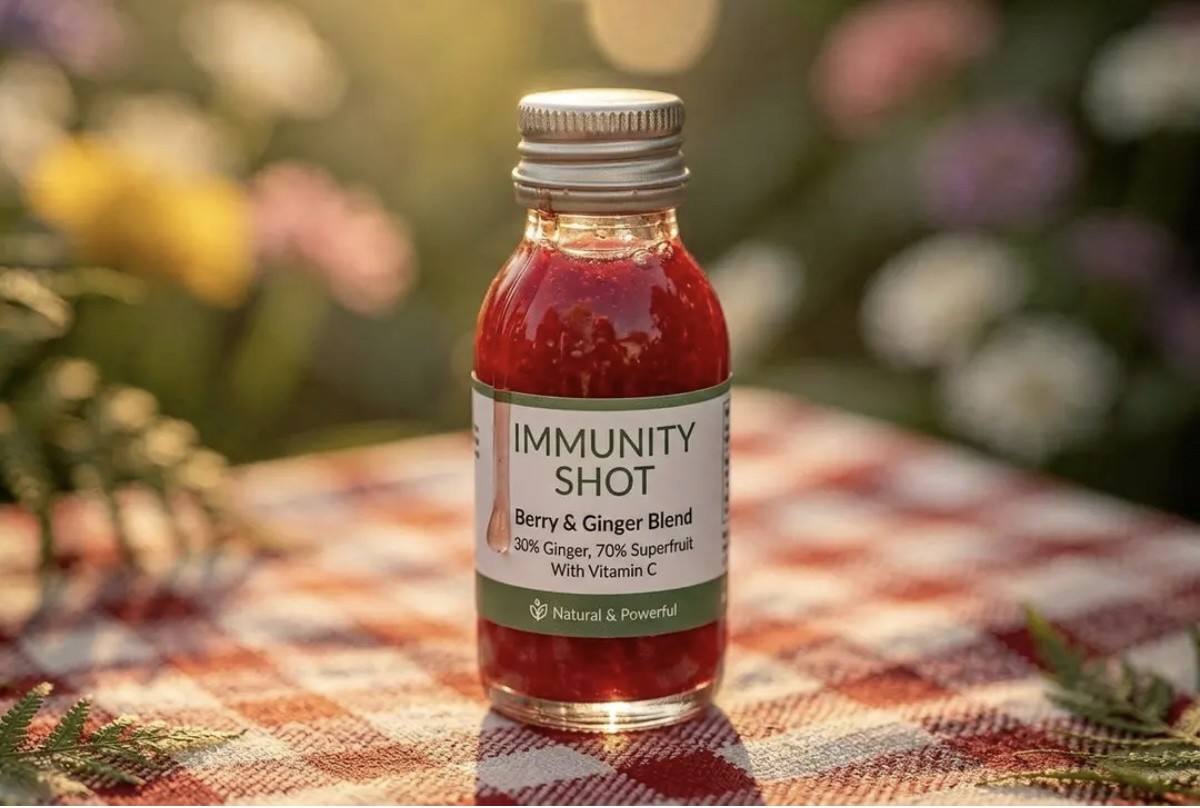
What Are Wellness Shots and Do They Actually Work?
Wellness shots have become one of the fastest-growing formats in functional beverages. Walk into any supermarket or health food store and you'll find a refrigerated shelf lined with tiny bottles promising immunity support, gut health, energy, and more. But most of the conversation around these products focuses on which ingredients sound good rather than whether those ingredients are actually doing anything useful in the finished product.
That's the gap this article addresses. We'll cover what wellness shots are, what's typically in them, why formulation quality matters more than most brands let on, and what the science actually says about bioavailability and absorption in small-format functional drinks.
What Are Wellness Shots?
Wellness shots are small, concentrated beverages — typically 30ml to 100ml — formulated with functional ingredients intended to support hydration, digestion, energy, immunity, or other wellness goals. They're designed to deliver a meaningful dose of active compounds in a single, convenient serving rather than requiring you to drink a full bottle or take a capsule.
They differ from juices and smoothies in concentration and intent. They differ from supplements in format and experience. Their value depends entirely on what ingredients they contain, at what dose, in what form, and how stable those ingredients remain from production through consumption.
Why This Format Became Popular
The appeal is straightforward. A shot takes seconds to consume, fits in a bag, and slots easily into a morning routine. For consumers who want functional nutrition without the commitment of a full drink or the habit of swallowing multiple capsules, the format makes sense.
The global wellness shots market was valued at $7.8 billion in 2025 and is projected to reach $17.4 billion by 2034. That growth reflects a broader shift in how people think about daily nutrition — less about meals and more about targeted, convenient additions to their routine.
Social media has accelerated this. Wellness routines shared on Instagram and TikTok have normalized the idea of a daily shot as part of a health-conscious lifestyle. But consumer familiarity with the format has also raised the bar. The increasing consumer sophistication regarding ingredient doses, bioavailability, and clinical evidence means the bar for product credibility is continuously rising.
Common Ingredients Found in Functional Shot Formulations
Most wellness shots are built around one or two hero ingredients with supporting actives. Here's how the main categories break down.
Ginger, Turmeric, and Botanical Extracts
Ginger and turmeric together contributed over 45% of ingredient segment revenue in the wellness shots market in 2024. Ginger contains gingerols and shogaols that interact with serotonin receptors in the gut, supporting motility and digestive comfort. Turmeric is associated with curcumin, a compound with anti-inflammatory properties — though curcumin's bioavailability in a standard water-based format is notoriously poor without formulation support.
Both ingredients bring intensity. Ginger is spicy. Turmeric is earthy and bitter. In a 30ml shot, those flavors are amplified. Botanical extracts like elderberry, milk thistle, and green tea add functional positioning but can introduce sedimentation, cloudiness, or off-notes that require careful handling.
Lemon, Apple Cider Vinegar, and Acidic Bases
Acidic ingredients like lemon juice and apple cider vinegar (ACV) are common anchors in wellness shots. They provide tartness, perceived freshness, and a connection to digestive wellness in the consumer's mind. ACV contains acetic acid and trace polyphenols from fermentation, and some research suggests modest effects on blood sugar management, though broader claims about detoxing or gut resetting aren't well supported by clinical evidence.
Low pH also affects ingredient stability. Some actives degrade faster in acidic environments. Others are more stable. Formulating around acidity requires knowing how each ingredient behaves at a given pH.
Probiotics, Prebiotics, and Digestive Ingredients
Probiotic shots are a distinct category with significant formulation complexity. Live bacterial cultures require specific temperature ranges, pH conditions, and packaging to remain viable through shelf life. Only 20–30% of non-resistant strains survive the acid environment of the stomach, and temperatures above 60°C cause the death of more than 90% of strains, making heat processing incompatible with live cultures.
Prebiotics, postbiotics, and digestive botanicals offer gut health positioning without those constraints. They're generally more stable and easier to formulate into shelf-stable products.
Electrolytes, Vitamins, Minerals, and Adaptogens
Electrolytes (sodium, potassium, magnesium, calcium) support hydration and fluid balance. Vitamins and minerals — particularly vitamin C, zinc, and B vitamins — are common in immunity and energy-oriented shots. Adaptogens like ashwagandha, lion's mane, reishi, and cordyceps are increasingly used for stress and cognitive support positioning.
Each of these ingredient types has different solubility, stability, and taste profiles. Magnesium can taste bitter. Fat-soluble vitamins like D and E don't naturally mix into water-based systems. Adaptogens can be earthy or astringent. Getting the balance right in a 60ml bottle is not simple.
Common Wellness Shot Ingredients
Ingredient | Intended Function | Flavor Profile | Formulation Challenges |
|---|---|---|---|
Ginger | Digestive comfort, anti-inflammatory support | Spicy, warming | Intensity at high doses, sedimentation |
Turmeric / Curcumin | Anti-inflammatory, antioxidant support | Earthy, bitter | Poor water solubility, low bioavailability |
Apple Cider Vinegar | Blood sugar support, digestive support | Sharp, acidic | Enamel erosion risk, pH interactions |
Lemon | Vitamin C, flavor, perceived freshness | Tart, citrus | Acidity can affect other actives |
Probiotics | Gut microbiome support | Neutral to slightly tangy | Heat sensitivity, short shelf life |
Prebiotics / Fiber | Gut environment support | Mild to sweet | Texture, viscosity, fermentation |
Electrolytes | Hydration, fluid balance | Salty, mineral | Taste at higher doses |
Vitamin D | Immune function, bone health | Neutral | Fat-soluble, poor water compatibility |
Adaptogens, such as ashwagandha and reishi | Stress and cognitive support | Earthy, bitter | Solubility, flavor masking |
Omega-3s | Cardiovascular and cognitive support | Fishy or neutral | Oxidation, water incompatibility |
What Makes a Functional Shot Truly Functional?
A functional ingredient only matters if it remains stable and absorbable in the final product. That sounds obvious, but it's where a lot of products fall short.
Active Ingredient Concentration
There's a meaningful difference between including an ingredient at a level that influences function and including it at a level that just lets you put it on the label. Efficacious dosing means the amount of active compound in each serving is consistent with what research suggests may produce a measurable effect. Many products include trending ingredients at trace amounts that serve marketing purposes more than functional ones.
Stability in the Finished Beverage
Ingredients degrade. Heat, light, oxygen, pH, and processing conditions all affect potency. A vitamin C shot that's been sitting on a warm shelf for three months may contain significantly less vitamin C than the label states. Botanical extracts can oxidize. Oils can go rancid. Live cultures can die. Stability isn't just a shelf-life concern — it's a functional one.
Absorption and Nutrient Delivery
Even a stable, well-dosed ingredient needs to be in a form the body can actually use. Solubility and compatibility with the digestive environment determine how much of an active compound reaches the bloodstream. This is where bioavailability becomes the deciding factor.
The Science of Bioavailability in Small-Format Drinks
Bioavailability refers to the proportion of an ingredient that is absorbed and available for use by the body after consumption. In beverage formulation, it's influenced by solubility, particle size, ingredient format, digestive conditions, and compatibility with water-based systems.
Fat-Soluble vs. Water-Soluble Ingredients
Water-based drinks naturally work better with water-soluble compounds. Fat-soluble nutrients — including vitamins A, D, E, and K, curcumin, and Omega-3 fatty acids — don't dissolve in water without formulation support. When added to a beverage without that support, they may separate, settle, or pass through the digestive system largely unabsorbed.
Curcumin is a well-studied example. When 2g of isolated curcumin was analyzed in humans, it showed undetectable or very low serum levels without enhancement. Adding piperine (black pepper extract) can increase curcumin bioavailability by up to 2,000% in controlled studies by inhibiting the metabolic process that tags curcumin for rapid elimination. Vitamin D3 faces similar challenges — it's fat-soluble and doesn't dissolve well in water-based beverages without a delivery system designed to handle it.
Solubility and Dispersion
An ingredient that doesn't dissolve properly in a beverage may settle to the bottom of the bottle, creating an inconsistent dose with every serving. It may also create cloudiness, grittiness, or separation that affects the sensory experience. Solving these issues requires more than shaking the bottle — it requires formulation work upstream.
Digestive Delivery and Compatibility
The stomach is acidic. Enzymes break down certain compounds. Bile salts affect fat-soluble nutrient absorption. Some ingredients interact with each other in ways that help or hinder uptake. Formulating a shot that survives the digestive environment and delivers its active compounds in a usable form is a real technical challenge, not a given.
Why Formulation Matters More Than Marketing Claims
Two products can list the same ingredient on the label and behave completely differently in the finished beverage. The difference comes down to how that ingredient was processed, stabilized, and integrated into the formula.
Ingredient Separation and Sedimentation
Powders, extracts, and insoluble compounds tend to settle. In a concentrated shot format, that means the first sip and the last sip may contain very different amounts of an active ingredient. Sedimentation also affects appearance — a product that looks separated or cloudy signals quality issues to consumers, even if the ingredient is technically present.
Oxidation and Ingredient Degradation
Long-chain polyunsaturated fatty acids like DHA and EPA are particularly prone to oxidation in water-based beverages, leading to off-flavors and reduced potency. Botanical compounds, certain vitamins, and natural pigments are also sensitive to oxygen, light, and heat. A product that looks and tastes fine at launch may have degraded significantly by month six.
Flavor Masking and Sensory Balance
High-potency functional ingredients are often unpleasant in isolation. Ginger is intensely spicy. Adaptogens are earthy and bitter. Minerals can taste metallic. In a 60ml shot, there's nowhere to hide. A product that's technically functional but undrinkable won't be consumed consistently, which defeats the purpose. Sensory balance is part of the formulation brief, not an afterthought.
Different Types of Functional Wellness Shots
Shot Type | Common Ingredients | Typical Goal |
|---|---|---|
Gut health shots | Ginger, probiotics, prebiotics, ACV, fiber | Digestive comfort, microbiome support |
Immunity shots | Vitamin C, zinc, elderberry, turmeric, ginger | Immune function support |
Energy shots | Caffeine, B vitamins, green tea extract, adaptogens | Energy, focus, alertness |
Hydration shots | Sodium, potassium, magnesium, trace minerals | Fluid balance, electrolyte replenishment |
Greens shots | Wheatgrass, chlorophyll, spirulina, vegetable extracts | Micronutrient delivery, antioxidant support |
Probiotic shots | Lactobacillus, Bifidobacterium strains | Gut microbiome diversity |
Adaptogenic shots | Ashwagandha, lion’s mane, reishi, cordyceps | Stress response, cognitive support |
Gut Health and Digestive Support Formats
Gut health shots typically combine probiotics or postbiotics with digestive botanicals like ginger and mint, fermented ingredients, fiber, and polyphenol-rich extracts. The goal is to support the digestive environment rather than treat any specific condition.
Immunity-Oriented Formats
Immunity shots usually center on vitamin C, zinc, and botanicals like elderberry, ginger, and turmeric. These products are generally positioned around supporting normal immune function. Clinical research on elderberry extract has shown it can reduce upper respiratory infection duration by up to 33%, which gives the category some scientific grounding — though results vary by formulation and dose.
Energy and Focus Formats
Energy shots range from straightforward caffeine-and-B-vitamin formulations to more sophisticated products featuring adaptogens, nootropics, and green tea extracts. The distinction matters: stimulant-led energy and adaptogen-supported focus are different mechanisms with different formulation requirements.
Hydration and Electrolyte Formats
Concentrated hydration shots deliver sodium, potassium, magnesium, and trace minerals in a small serving designed to be mixed with water or consumed directly. Low-sugar formulations are increasingly common as consumers move away from sweetened sports drinks.
Greens, Botanicals, and Daily Wellness Formats
Greens shots — wheatgrass, chlorophyll, spirulina, algae — face some of the most challenging formulation conditions. These ingredients oxidize quickly, taste intensely earthy, and can produce significant sedimentation. Color stability is also a concern, as natural green pigments can fade or shift during processing and storage.
Gut Health Support Goes Beyond Probiotics
Gut health is one of the most popular positioning angles in the wellness shot category, but it's often reduced to probiotics. That's an incomplete picture.
Hydration and Electrolyte Balance
Adequate hydration supports normal digestive function. Electrolytes help regulate fluid balance across the gut lining. A well-formulated hydration shot can contribute to digestive wellness without a single probiotic in the formula.
Fiber, Prebiotics, and Postbiotics
Prebiotics feed beneficial bacteria already present in the gut. Fiber supports motility and stool consistency. Postbiotics — the metabolic byproducts of bacterial fermentation — are shelf-stable, water-soluble, and require no refrigeration, making them significantly easier to formulate into ambient shots than live cultures.
Digestive Botanicals and Polyphenols
Ginger, mint, turmeric, berry extracts, and green tea all contain compounds that interact with the digestive system in various ways. Polyphenols from these sources can support the gut environment and act as antioxidants. They're not probiotics, but they contribute meaningfully to gut health positioning when used at appropriate levels.
Homemade vs. Commercial Functional Shots
Both approaches have genuine merit, and the right choice depends on what you're trying to achieve.
Advantages of Homemade Versions
Making shots at home offers freshness, flexibility, and customization. You control the ingredients, the ratios, and the flavor. There's no barrier to entry beyond a blender or juicer. For personal use, this works well.
Limitations of Homemade Versions
Shelf life is short — typically a few days in the refrigerator. Ingredient concentration varies batch to batch. Sensitive actives like curcumin or fat-soluble vitamins won't be meaningfully absorbed without formulation support you can't replicate at home. Food safety is also a consideration with fresh, unpasteurized preparations.
Advantages of Commercial Products
Commercial formulation brings consistency, scalable manufacturing, ingredient standardization, safety validation, and shelf-life planning. A well-formulated commercial product can deliver a stable, predictable dose of active ingredients in every serving, with processing conditions designed to protect those actives through shelf life. That's difficult to replicate in a home kitchen.
Key Challenges in Shot Formulation
The small serving size that makes wellness shots convenient also makes them harder to formulate. Every challenge is amplified in a 60ml bottle.
Balancing Potency and Drinkability
High ingredient loads create intense flavors. Ginger at a meaningful dose is very spicy. ACV is sharp and acidic. Adaptogens are bitter. Getting enough active ingredient into a small serving while keeping the product drinkable requires significant flavor work and often limits how much of certain ingredients you can include.
Maintaining Consistency Across Every Serving
If ingredients settle between production and consumption, each bottle delivers a different dose. Viscosity, dispersion, and stabilization systems all influence whether the active ingredients are evenly distributed in every serving. This is particularly relevant for botanical extracts, mineral suspensions, and oil-based actives.
Designing for Shelf Life and Processing
Pasteurization protects against microbial growth but can degrade heat-sensitive actives. Cold-fill systems preserve more ingredient integrity but require stricter hygiene controls. Packaging format affects oxygen exposure. Refrigeration extends shelf life for some products but limits distribution reach. Every processing decision involves trade-offs between safety, stability, and ingredient performance.
How Ingredient Technology Is Changing the Category
The biggest constraint in functional shot formulation has historically been ingredient compatibility. Fat-soluble actives, botanical extracts, Omega-3s, and certain vitamins simply don't behave well in water-based systems without help.
Advanced ingredient delivery systems are changing that. At Infusd, we transform fat-soluble and insoluble ingredients into highly potent water-soluble ingredients that integrate into a wide range of applications — including nutrient shots and RTD beverages. Our physical processing method uses natural stabilizers, no harsh chemicals, and no synthetic emulsifiers, which matters to brands building clean-label products.
Water-Compatible Nutrients
Ingredients like Omega-3s, vitamins D, A, E, and K, curcumin, astaxanthin, and lutein are all fat-soluble. Getting them into a clear, stable, water-based shot without separation, off-flavors, or potency loss requires a delivery system built for the purpose. Our ingredients dissolve seamlessly in water, requiring minimal agitation, and remain stable even after processes like pasteurization or carbonation — which opens up formulation options that weren't previously available for these actives.
Clean-Label Stabilization
72% of consumers favor products that contain no artificial ingredients, preservatives, or additives. That's a real constraint for formulators who need stabilization systems to keep ingredients dispersed and potent. Clean-label stabilization — using natural carriers and physical processing rather than synthetic emulsifiers — is increasingly the standard brands are working toward, not a niche preference.
The Future of Small-Format Functional Beverages
The category is maturing. Early growth was driven by novelty and ingredient trends. The next phase will be driven by formulation credibility.
More Targeted Functional Positioning
Broad "wellness" claims are giving way to more specific use cases: digestive comfort, hydration routines, cognitive support, energy management, sleep quality. Personalization is taking center stage in 2025–2026, with consumers increasingly searching for specific ingredients rather than broad functional categories. Products that can credibly deliver on a specific outcome will have an advantage over those making general wellness claims.
Lower Sugar and Cleaner Labels
Sugar reduction is a consistent pressure across the functional beverage category. Consumers want products that feel purposeful and uncomplicated. Natural flavors, natural stabilizers, and shorter ingredient lists are becoming table stakes rather than differentiators. The challenge is maintaining taste and stability while removing ingredients that historically did both jobs.
Advanced Delivery and Bioavailability Systems
As consumers become more sophisticated about ingredient science, delivery technology will become a more visible differentiator. Brands that can demonstrate improved absorption, proven stability, and meaningful active loads will have a stronger story than those relying on ingredient names alone. The ability to add fully efficacious doses of science-backed nutritional ingredients that are seamlessly solubilized into popular consumer products is where the category is heading.
Frequently Asked Questions
What Are Wellness Shots?
Wellness shots are small, concentrated functional beverages — typically 30ml to 100ml — formulated with ingredients associated with hydration, digestion, energy, immunity, or general wellness support. They're designed to deliver a meaningful dose of active compounds in a single, convenient serving.
Are These Products Healthy?
They can fit into a healthy routine depending on the ingredients, sugar content, acidity, dosing, and your overall diet. They're not a substitute for balanced nutrition, and the quality varies significantly between products. Ingredient selection, dose, and formulation quality all influence whether a product is genuinely useful.
What Ingredients Are Commonly Used?
The most common include ginger, turmeric, lemon, apple cider vinegar, probiotics, prebiotics, electrolytes, vitamins C and D, zinc, B vitamins, adaptogens like ashwagandha and lion's mane, and botanical extracts like elderberry and green tea.
Do They Actually Work?
It depends on the product. Effectiveness is determined by the ingredient, the dose, the stability of that ingredient in the finished beverage, its bioavailability after consumption, and your broader routine. Some products deliver meaningful functional compounds at useful doses. Others are more trend-led than function-led. Reading beyond the ingredient list matters.
How Are They Different From Energy Shots?
Energy shots are typically stimulant-focused, built around caffeine and B vitamins for a fast alertness effect. Wellness-oriented formats may target digestion, hydration, immunity support, nutrient delivery, or cognitive function through adaptogens and nootropics — different mechanisms with different ingredient strategies.
Can They Support Gut Health?
Some can. Gut health support in shot format can come from probiotics, prebiotics, postbiotics, fiber, digestive botanicals like ginger and mint, polyphenols, and electrolytes. Probiotics require careful formulation to remain viable. Other gut-supportive ingredients are generally more stable and easier to include in ambient products.
Why Does Formulation Matter in Functional Beverages?
Formulation affects ingredient stability, solubility, taste, appearance, shelf life, and absorption. Two products with the same ingredient on the label can behave very differently depending on how that ingredient was processed, stabilized, and integrated into the formula. Label presence doesn't guarantee functional performance.
What Affects Ingredient Absorption?
Solubility, ingredient format, pH, digestive conditions, fat-soluble versus water-soluble status, and interactions with other ingredients all influence how much of an active compound reaches the bloodstream. Fat-soluble nutrients require delivery systems designed to improve their compatibility with water-based beverages.
Are Probiotics Necessary?
No. Gut health positioning doesn't require probiotics in every product. Prebiotics, postbiotics, fiber, hydration, electrolytes, and digestive botanicals can all contribute to gut wellness without the formulation complexity of live cultures. When probiotics are included, strain selection and stability planning are critical.
What Makes a Functional Beverage Effective?
Purposeful ingredient selection, meaningful concentration, stability through shelf life, bioavailability after consumption, sensory acceptance, and consistent delivery in every serving. A product that checks all of those boxes has a much better chance of delivering on its intended purpose than one that relies on ingredient names alone.
Effective Functional Drinks Start With Better Formulation
Wellness shots are more than trendy ingredients in a small bottle. The format has real utility — concentrated delivery, convenience, and the ability to support specific wellness goals — but only when the formulation behind it is sound.
Ingredient stability, bioavailability, active loading, taste balance, and shelf-life performance all determine whether a product can actually do what it claims. As the category matures, those technical factors will separate credible products from ones that are riding a trend.
For brands and product development teams working in this space, the challenge is clear: getting difficult actives — fat-soluble vitamins, Omega-3s, curcumin, adaptogens — into water-based formats at efficacious doses, with clean labels, acceptable taste, and proven stability. That's a formulation problem before it's a marketing one.
If you're developing functional shots or other small-format beverages and need ingredient technology that can handle those challenges, explore how our water-soluble ingredient formats work across beverage applications — or see the full range of actives we work with. We work with product development teams to make hard-to-formulate nutrients stable, soluble, and ready for real-world beverage production.